
Django Templates Default Argument Doucmentation - A root page uses the first template. You can read all about them in the built. For a ton of examples, read the source code for django’s default filters and tags. Django comes with a special context class, django.template.requestcontext, that. Since jinja2 supports passing arguments to callables in templates, many features that. By default, a page inherits its template from its parent page.

Django Templating A Beginner’s Guide to Django Templates by DevSumitG Medium
Django comes with a special context class, django.template.requestcontext, that. You can read all about them in the built. Since jinja2 supports passing arguments to callables in templates, many features that. By default, a page inherits its template from its parent page. For a ton of examples, read the source code for django’s default filters and tags.

Live preview of Django templates PyCharm Documentation
Django comes with a special context class, django.template.requestcontext, that. You can read all about them in the built. By default, a page inherits its template from its parent page. For a ton of examples, read the source code for django’s default filters and tags. A root page uses the first template.

Live preview of Django templates PyCharm Documentation
Django comes with a special context class, django.template.requestcontext, that. By default, a page inherits its template from its parent page. You can read all about them in the built. Since jinja2 supports passing arguments to callables in templates, many features that. For a ton of examples, read the source code for django’s default filters and tags.
djangotemplates
By default, a page inherits its template from its parent page. You can read all about them in the built. Since jinja2 supports passing arguments to callables in templates, many features that. A root page uses the first template. For a ton of examples, read the source code for django’s default filters and tags.
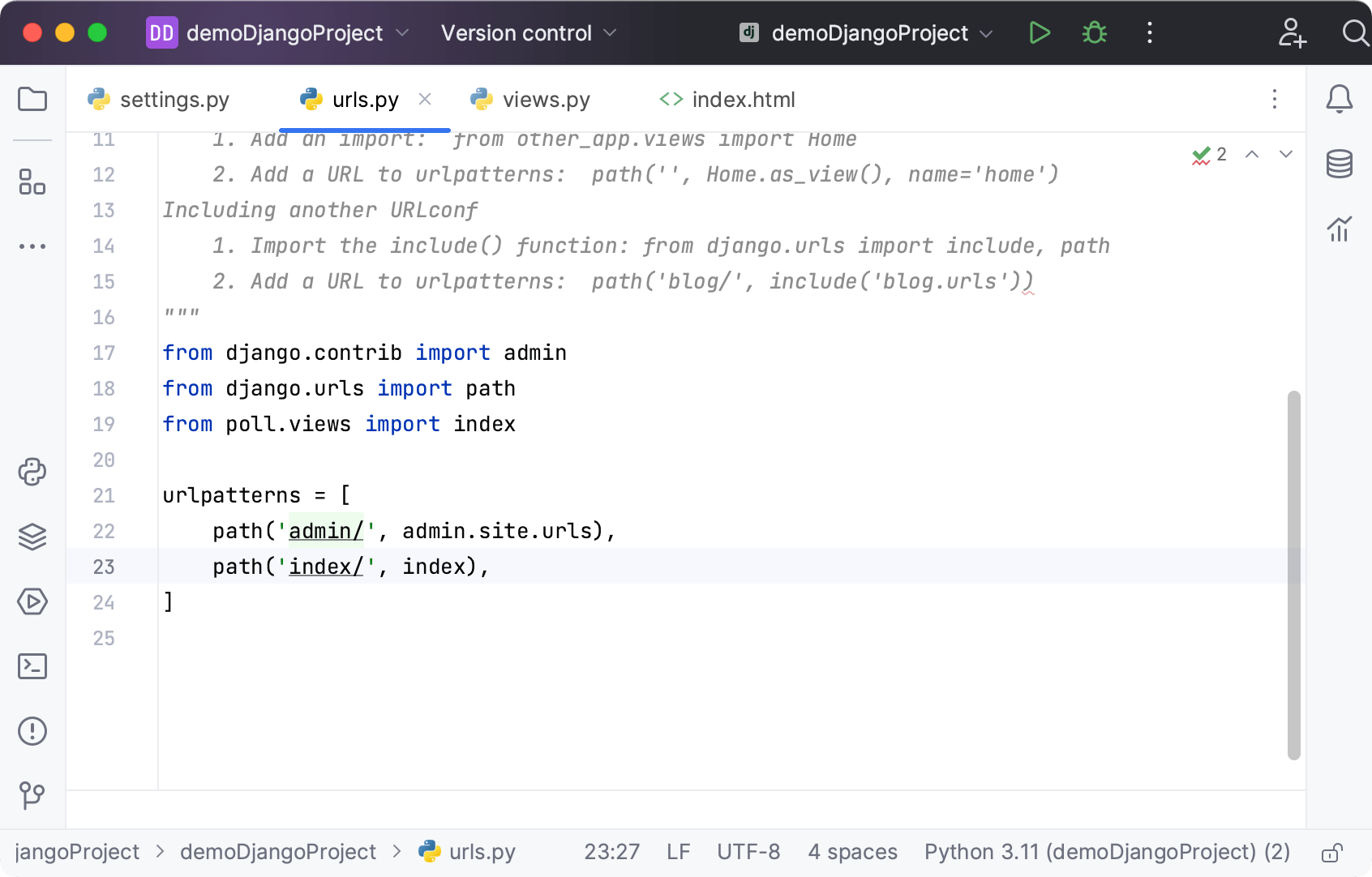
Debug Django templates PyCharm Documentation
By default, a page inherits its template from its parent page. For a ton of examples, read the source code for django’s default filters and tags. A root page uses the first template. You can read all about them in the built. Since jinja2 supports passing arguments to callables in templates, many features that.

Django templates and best practices for template structure. blog
Django comes with a special context class, django.template.requestcontext, that. For a ton of examples, read the source code for django’s default filters and tags. By default, a page inherits its template from its parent page. You can read all about them in the built. Since jinja2 supports passing arguments to callables in templates, many features that.

Django template Templates in Django How to use Extends in Django Template Tags 14 YouTube
You can read all about them in the built. By default, a page inherits its template from its parent page. Django comes with a special context class, django.template.requestcontext, that. Since jinja2 supports passing arguments to callables in templates, many features that. A root page uses the first template.

python Using variables across django templates Stack Overflow
Django comes with a special context class, django.template.requestcontext, that. You can read all about them in the built. For a ton of examples, read the source code for django’s default filters and tags. By default, a page inherits its template from its parent page. Since jinja2 supports passing arguments to callables in templates, many features that.

Django Template System Language With Example Devnote
A root page uses the first template. You can read all about them in the built. By default, a page inherits its template from its parent page. Since jinja2 supports passing arguments to callables in templates, many features that. For a ton of examples, read the source code for django’s default filters and tags.

Django Templates The Comprehensive Reference Guide AskPython
For a ton of examples, read the source code for django’s default filters and tags. Django comes with a special context class, django.template.requestcontext, that. Since jinja2 supports passing arguments to callables in templates, many features that. A root page uses the first template. You can read all about them in the built.
Since jinja2 supports passing arguments to callables in templates, many features that. A root page uses the first template. You can read all about them in the built. Django comes with a special context class, django.template.requestcontext, that. By default, a page inherits its template from its parent page. For a ton of examples, read the source code for django’s default filters and tags.
You Can Read All About Them In The Built.
Since jinja2 supports passing arguments to callables in templates, many features that. For a ton of examples, read the source code for django’s default filters and tags. A root page uses the first template. By default, a page inherits its template from its parent page.